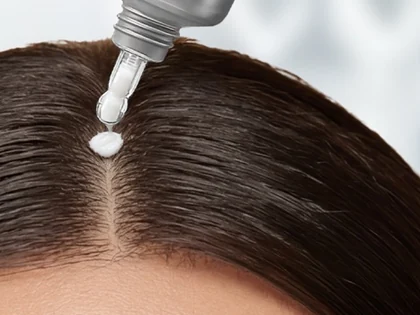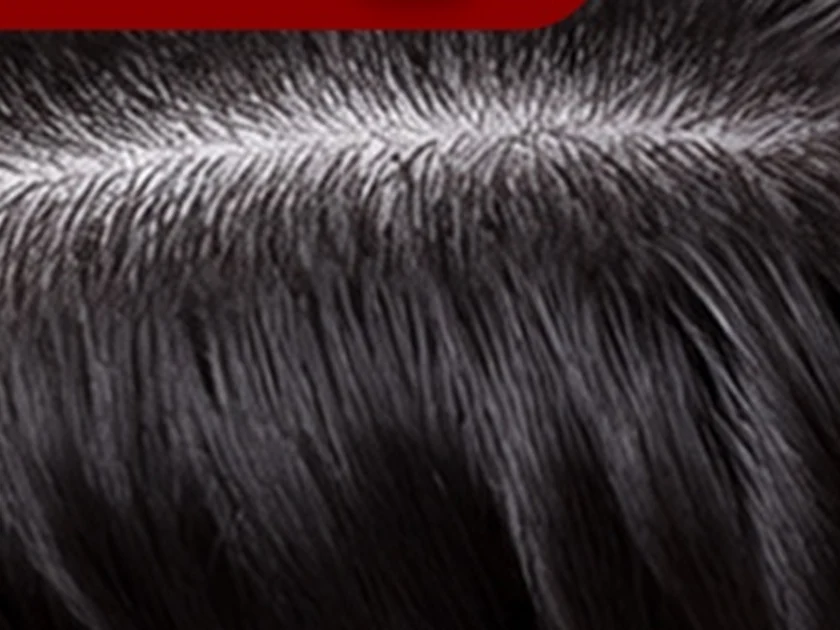
A widening part can occur with female pattern hair loss. Its appearance alone cannot tell you the cause. A dermatologist can assess the pattern alongside your history and scalp examination. [1] [2]
Bring a short history
Write down when you noticed the change, whether it came on gradually or suddenly, and whether you also noticed shedding. Include recent health changes, medicines, pregnancy or childbirth and hair practices. If you already have photographs from before the change, bring those along. [2] [3]
Three questions for your consultation
“What patterns do you see on examination?” “Would any test change the plan?” “How should we document change between visits?” Depending on the findings, a dermatologist may examine the scalp closely, perform a hair-pull test or consider blood tests or a biopsy. Testing follows the suspected cause. [2]
Discuss your routine
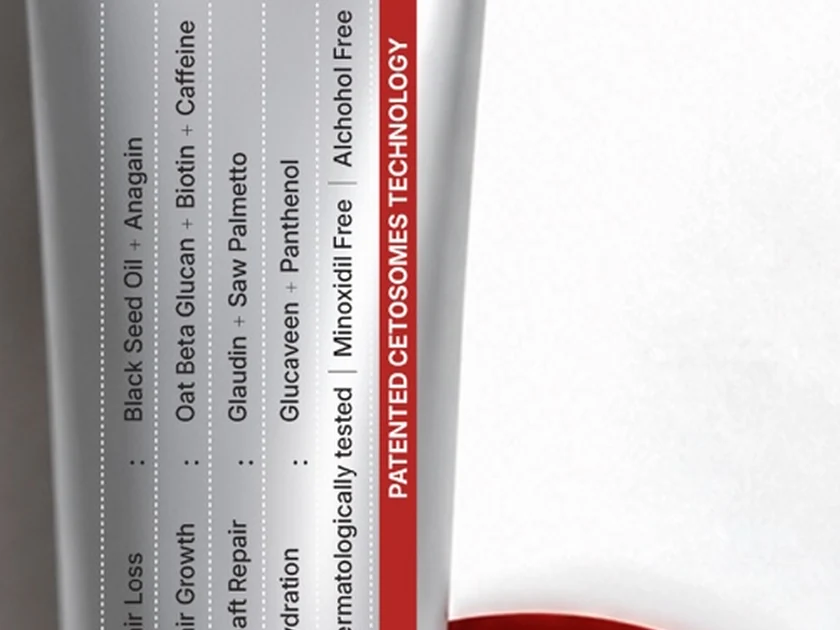
Show the clinician your scalp products and prescriptions. If you are pregnant, postpartum, breastfeeding or planning pregnancy, say so during the consultation so that suitability can be assessed for your circumstances. The words “non-minoxidil” alone do not answer that question. [1] [4]
References
- American Academy of Dermatology. Thinning hair and hair loss: Could it be female pattern hair loss? Patient education.
- American Academy of Dermatology. Hair loss: Diagnosis and treatment. Patient education.
- American Academy of Dermatology. Do you have hair loss or hair shedding? Patient education.
- Monoskin. NanoGrow™ Non-Minoxidil Hair Serum. Official product information and ingredient declaration.